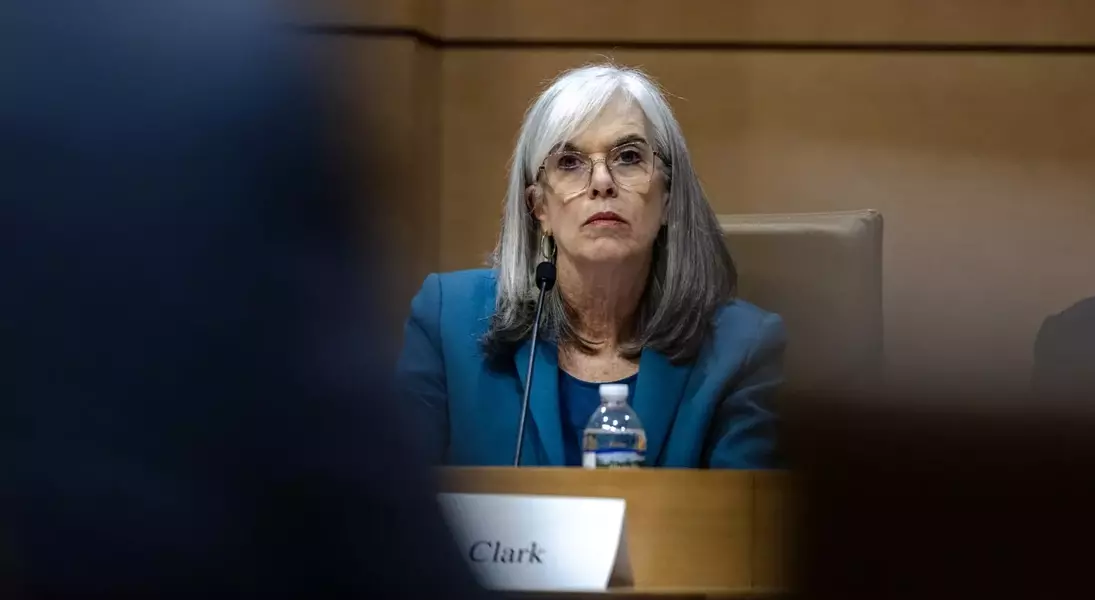
A recent investigation by STAT has brought to light significant financial contributions from UnitedHealth Group's senior leadership to the re-election campaign of Representative Katherine Clark, a high-ranking Democrat in the House. These donations occurred in the run-up to the recent primary election, where Clark successfully secured her party's nomination against two challengers.
The financial scrutiny revealed that more than 40 executives and board members from UnitedHealth collectively donated upwards of 0,000 to Clark's campaign during the 2025-2026 election cycle. Notably, UnitedHealth CEO Stephen Hemsley and his wife, Barbara, each contributed ,000, underscoring the company's strong support for the congresswoman. Hemsley's considerable wealth, estimated at nearly billion through stock holdings, highlights the scale of these personal contributions. This level of corporate executive funding to a single politician is particularly striking, with Senator Mike Crapo (R-Idaho) being the only other federal official to receive even half that amount from UnitedHealth personnel during the same period, despite not facing re-election this November.
This pattern of extensive financial backing from a major healthcare corporation to a powerful legislative figure prompts a closer examination of the interplay between corporate interests and political campaigns. Such substantial donations can lead to public concerns regarding potential influence on policy decisions, particularly in sectors as critical and heavily regulated as healthcare. The transparency of these contributions is essential for maintaining public trust and ensuring that legislative processes remain uncompromised by private sector agendas.
In a democratic system, the integrity of elections and the legislative process relies on clear distinctions between corporate lobbying and genuine public representation. When significant financial resources flow from powerful industries to political campaigns, it is imperative for the public and oversight bodies to scrutinize these relationships to uphold fairness and accountability. This situation underscores the ongoing debate about campaign finance reform and the need for robust mechanisms to safeguard against undue influence in political spheres.