The integration of Artificial Intelligence into healthcare is rapidly advancing, with federal agencies and prominent figures advocating for its transformative potential, especially in underserved rural communities. However, this promising outlook is met with significant skepticism from rural healthcare providers. They express concerns that AI solutions might not effectively bridge existing financial disparities, particularly in the face of substantial Medicaid cuts, and worry that such technological investments could inadvertently worsen the care gap between urban and rural areas. This complex landscape underscores the need for careful consideration and tailored approaches as AI reshapes the future of health.
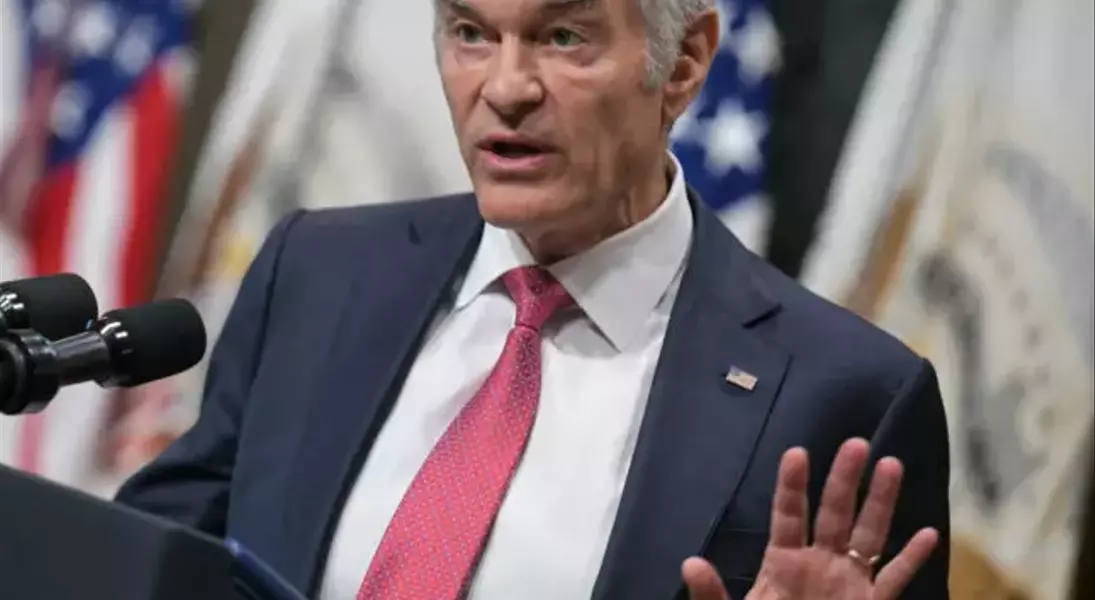
A recent report by STAT highlights this tension, detailing how Centers for Medicare and Medicaid Services head Mehmet Oz and other Trump administration officials are promoting AI as a crucial tool for rural health. They suggest AI can improve prescription management and patient triage. Yet, many rural hospitals, already grappling with anticipated Medicaid cuts totaling trillion over the next decade, question the practicality of these solutions. The concern is that AI, which typically excels with extensive, clear data, might falter in subjective clinical scenarios, such as determining eligibility for "medical frailty" exemptions. This skepticism is rooted in the fear that without addressing fundamental financial inequities, AI investments could simply create new layers of disparity.
Further emphasizing the government's commitment, ARPA-H, a federal agency for cutting-edge health research, announced a .7 million initiative to develop AI-powered bots for heart failure treatment. These autonomous systems are envisioned to assess symptom severity, prescribe medications, and order lab tests, aiming to improve care access for the 6.7 million Americans suffering from heart failure, especially those in remote areas. This program represents another facet of the current administration's strategy to leverage AI for pressing healthcare challenges. Simultaneously, the United Kingdom's health commission has unveiled 44 recommendations for regulating AI in medicine, aiming to harness its potential for tasks like reviewing medical scans while ensuring patient safety and equitable treatment.
Beyond AI, vaccine policy has emerged as a significant issue in the lead-up to the November midterm elections. The White House is actively encouraging states to revise their immunization guidelines, while Republican politicians at the state level are campaigning on platforms that advocate for ending mandatory school vaccination requirements. This divergence has led to a fragmented vaccine policy landscape, with many states adopting unique approaches that depart from federal recommendations. The upcoming elections are poised to have a considerable impact on how the public receives guidance on vaccinations for themselves and their children.
In other medical news, the prestigious Lasker Awards recently honored two scientists, Emmanuel Mignot and Masashi Yanagisawa, for their groundbreaking research into narcolepsy. Their independent discoveries in the late 1990s identified orexin, a neuropeptide, as a critical factor in the condition's uncontrollable sleepiness. This fundamental research has paved the way for new sleep medications, with biotech firms racing to develop treatments for a market estimated at billion. Additionally, Japanese scientists received an award for advancements in hemophilia A treatment, and Michael J. Fox was recognized for his philanthropic efforts and advocacy for Parkinson's disease research.
The current landscape of healthcare innovation is marked by a blend of optimism and apprehension, particularly regarding artificial intelligence. While federal efforts are channeling significant resources into AI development for critical areas like heart failure and general health system improvements, rural communities face unique challenges that may not be fully addressed by technology alone. The overarching theme is a dynamic period of change, where technological advancements, political considerations in public health, and fundamental scientific discoveries are all contributing to the evolving dialogue around global healthcare.