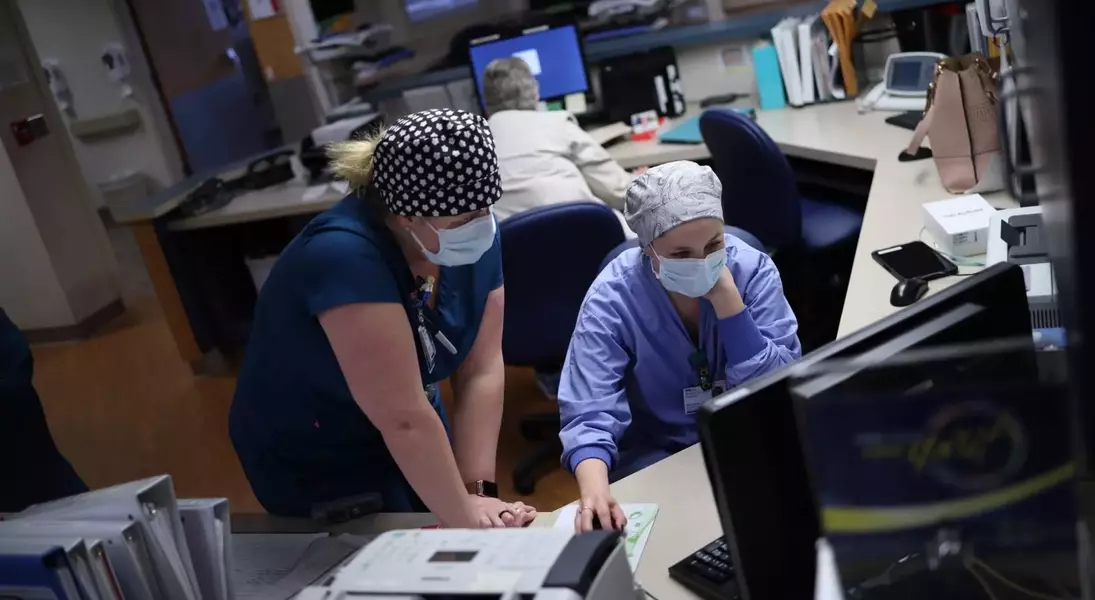
Nurses, as the largest professional group in the healthcare sector, are raising their voices regarding the growing influence of clinical artificial intelligence in medical practice. They are concerned about the potential ramifications of this technology on their employment and the quality of patient care. This growing assertiveness reflects a desire for greater involvement in shaping the future of AI within healthcare.
Reports from institutions like Montefiore hospital in the Bronx highlight instances where administrative AI has allegedly displaced nurses, leading to protests and alarms from the affected workforce. Similarly, at Kaiser Permanente in California, nurses have expressed grievances through strikes and pickets, citing concerns about AI-driven surveillance of their work and its increasing role in direct patient care. These widespread actions, often spearheaded by large unions such as National Nurses United, underscore a collective demand for a more human-centered approach to technological advancement in the medical field.
Beyond immediate workplace disputes, a broader movement is emerging among educators and researchers to proactively address the integration of AI. Their efforts focus on preparing future generations of nurses by incorporating AI development and deployment into their training. The objective is to transition the current often confrontational relationship between nurses and AI into a more collaborative dynamic, ensuring that the valuable perspectives and expertise of nursing professionals are central to the design and application of these transformative technologies.
The increasing presence of artificial intelligence in healthcare presents both challenges and opportunities. By actively engaging nurses in the development and implementation of these systems, we can foster a future where technology enhances patient care and supports healthcare professionals, rather than displacing them. This collaborative approach will pave the way for innovative solutions that uphold ethical standards and prioritize human well-being in the evolving landscape of modern medicine.